
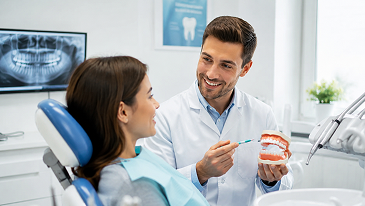
You can get a custom dental crown in a single appointment in Fort Lauderdale, often using CEREC technology that designs, mills, and places your crown the same day. Same-day crowns save you multiple visits and temporary crowns, letting you leave with a finished, natural-looking restoration in hours.
This article explains how same-day crowns work, who benefits most, what to expect during the appointment, and how to choose a trusted Fort Lauderdale dental team for comfort and long-term success. Expect clear comparisons of treatment options, cost and insurance considerations, aftercare tips, and answers to common concerns so you can decide confidently about your next step.
Understanding Same-Day Crowns
Same-day crowns use digital scans, on-site milling, and strong ceramic materials to restore a damaged tooth in one visit. They reduce total treatment time and often eliminate the need for temporary crowns and a second appointment.
What Are Same-Day Dental Crowns?
Same-day dental crowns are full-coverage restorations fabricated and placed during one dental visit using CAD/CAM technology. The dentist first removes decay or reshapes the tooth, then captures a precise digital impression with an intraoral scanner rather than messy putty.
A computer designs the crown from that scan, and a milling unit on-site carves the restoration from a block of ceramic or composite. The result is a custom-fit crown that matches the tooth’s shape and color, allowing immediate finishing and placement.
Materials commonly used include monolithic zirconia and lithium disilicate, chosen for strength and aesthetics. These materials bond well to tooth structure and resist wear, making same-day crowns suitable for many back and front teeth.
How Same-Day Treatment Works
The process begins with examination, X-rays if needed, and local anesthesia to keep the patient comfortable. The dentist prepares the tooth by removing damaged tissue and shaping it to accept the crown, then captures a high-resolution digital scan.
A technician or the dentist designs the crown using CAD software while the patient waits. The milling unit then fabricates the restoration from a ceramic block, typically in 10–30 minutes depending on complexity and material.
After milling, the crown is stained, glazed, and sintered or polished as required, then tried in for fit and bite adjustments. The dentist bonds the crown with a resin cement, checks occlusion, and provides care instructions before the patient leaves.
Benefits Over Traditional Crowns
Same-day crowns eliminate the need for a temporary crown and a second appointment, saving time and reducing the risk of temporary crown problems like dislodgment. Patients typically enjoy fewer dental visits and faster return to normal chewing.
Digital impressions improve accuracy and comfort compared with traditional putty impressions, reducing gag reflex and the need for repeated retakes. On-site fabrication also allows immediate adjustments, improving fit and minimizing chairside corrections later.
Cost and insurance coverage can mirror traditional crowns, but time savings and fewer office visits often make same-day crowns a convenient option. Dentists still evaluate each case; complex situations like extensive gum disease or large restorations may require traditional methods or multi-visit care.
CEREC Technology Explained
CEREC combines digital scanning, computer-aided design, and in-office milling to create same-day ceramic crowns. It reduces appointments, avoids messy putty impressions, and produces a precise restoration that matches tooth anatomy and color.
Digital Impressions and Comfort
A handheld intraoral camera captures hundreds of images in seconds to create a 3D model of the mouth. The patient sits comfortably while the dentist moves the wand around the prepared tooth; no bite trays or impression material are required.
The digital scan provides immediate feedback on margins, contacts, and occlusion so the clinician can correct issues right away. That speeds treatment and lowers the chance of a poorly fitting crown that would need a remake.
Scans store in the practice’s secure database and can be reused for future restorations or adjustments. Patients with strong gag reflexes, limited jaw opening, or anxiety often prefer digital impressions for their comfort and speed.
On-Site Crown Design Process
After scanning, the dentist uses CAD software to design the crown on-screen. The software suggests anatomic contours and contact points; the clinician fine-tunes shape, thickness, and shade to match adjacent teeth.
Once design is approved, a milling unit carves the crown from a solid ceramic block in about 10–20 minutes. Milling parameters and block material (e.g., lithium disilicate or feldspathic porcelain) determine strength and esthetics.
The milled crown receives finishing touches—staining, glazing, and final polishing—then undergoes a quick try-in for fit and bite. If everything checks out, the dentist bonds the crown with adhesive cement and adjusts occlusion, leaving the patient with a durable, color-matched restoration that was made during a single visit.
Ideal Candidates for Same-Day Restoration
Same-day crowns suit patients who need a durable, precisely fitted tooth restoration quickly, often in a single visit. They work best when decay, fracture, or cosmetic concerns are localized and the surrounding gum and bone health are stable.
When Is a Same-Day Crown Recommended?
Dentists recommend same-day crowns when a tooth has moderate to severe damage but enough healthy structure remains for a bonded restoration. Examples include a large filling that repeatedly fails, a fractured cusp after biting hard food, or a tooth weakened by root canal therapy that needs reinforcement before splitting occurs.
This option also fits patients who prefer fewer appointments due to work, travel, or family commitments. It requires that the dentist can complete digital scans, prepare the tooth, and mill a ceramic crown in one visit—so the practice must have CEREC or similar technology and an experienced operator.
Patients with active gum disease, uncontrolled bruxism, or extensive multiple-tooth restoration needs may be evaluated for alternative plans first. The clinician will assess bite, adjacent teeth, and esthetic goals to confirm same-day delivery is suitable and predictable.
Conditions Addressed by Crowns
Crowns restore teeth with large cavities that cannot be reliably rebuilt with composite fillings. They also cap teeth after root canal treatment to protect thin or brittle walls from fracture. For teeth with cracks that extend into the cusps, a crown redistributes chewing forces and reduces the risk of complete breakage.
Crowns work for cosmetic corrections such as correcting shape, size, or discoloration when whitening or veneers are inappropriate. They also serve as final restorations over dental implants or as anchors for bridges when a missing tooth is replaced. The dentist evaluates each tooth’s periodontal support and occlusion to ensure the crown will function long-term.
Patients who grind their teeth may still receive crowns, but the clinician often recommends nightguards or stronger materials to prevent premature wear or failure.
What to Expect During Your Appointment
Patients will arrive knowing the clinic handles imaging, digital design, and same-day milling in one visit. The team will confirm medical history, explain anesthesia choices, and outline the expected timeline.
Preparing for Your Visit
Patients should bring a photo ID, current insurance card, and a list of medications and allergies. If anxiety is a concern, calling ahead about oral sedation or nitrous oxide helps the staff prepare.
Arrive 10–15 minutes early to complete any remaining forms and to allow time for a brief health screening. This ensures the appointment begins promptly and digital scans can start on schedule.
If the tooth is painful or infected, the office may perform a quick exam and take a digital X-ray before proceeding. Clearing infections first prevents complications and may change the treatment plan.
Wearing comfortable clothing and avoiding heavy makeup or lip products simplifies shade matching and intraoral photography. Payment options and financing should be confirmed with reception to avoid delays at checkout.
Step-by-Step Procedure Guide
The dentist will numb the area with a local anesthetic; most patients feel pressure but little to no pain. After anesthesia takes effect, the tooth is gently shaped to make room for the crown.
A digital intraoral scanner captures a 3D image of the prepared tooth and surrounding bite in minutes. The clinician designs the crown on-site using CAD software; the patient can often see the proposed shape and color on a monitor.
A ceramic block is milled in the same office and then sintered or glazed, a process that typically takes 20–60 minutes depending on the material. While the crown is finished, the patient rests in the operatory or a nearby lounge.
The dentist tries the crown for fit, color, and bite, then permanently bonds it with adhesive cement. They check occlusion and make minor adjustments so chewing feels natural.
Before leaving, the clinician reviews home care, eating precautions for the first 24 hours, and schedules follow-up. Patients receive written aftercare instructions and a phone number for any post-op concerns.
Comfort and Patient Experience
Patients can expect targeted pain control, short appointment times, and a calm office environment that reduces anxiety. The care team focuses on predictable numbing, gentle technique, and immediate support for any postoperative sensitivity.
Pain Management and Anesthesia
The clinic uses a combination of topical gels and local anesthetic to block nerves precisely at the treated tooth. A thin-gauge needle and slow injection technique reduce sting; patients with needle anxiety can request nitrous oxide for relaxation.
For awake patients, the dentist confirms numbness before any drilling and repeats small, focused doses if needed. Post-procedure discomfort is typically mild; clinicians recommend over-the-counter ibuprofen or acetaminophen and provide clear dose instructions. If sensitivity persists beyond 72 hours, the office schedules a prompt follow-up to evaluate fit or bite adjustments.
How We Prioritize Your Comfort
Appointments are scheduled to minimize waiting and compress the same-day crown workflow into a single, continuous visit. The operatory features adjustable chairs, warm blankets, and noise-cancelling headphones to make the experience physically comfortable.
Staff members explain each step before beginning and use simple demonstrations so patients know what to expect. They document any medical history, anxiety triggers, or mobility needs and tailor the visit accordingly. Aftercare instructions are printed and emailed, and the practice offers easy online booking and direct phone access for questions.
Cost Considerations and Insurance
This section explains typical out‑of‑pocket costs, what insurance usually covers, and practical payment options for same‑day crowns in Fort Lauderdale. It highlights coverage limits, preauthorization needs, and ways patients can manage remaining balances.
Insurance Coverage Options
Many dental plans cover part of the cost for crowns, but coverage varies by plan and crown type. PPO plans often pay a percentage (commonly 50–80%) of the allowed fee for crowns; HMO and Medicaid plans may restrict coverage to medical necessity and specific materials. Cosmetic crowns typically receive no coverage.
Patients should verify the plan’s annual maximum, remaining deductible, and whether the insurer requires predetermination or preauthorization for same‑day CAD/CAM crowns. Ask the office to submit a claim estimate showing patient responsibility before treatment. Common insurer requirements include tooth-specific diagnosis codes and documentation that a crown is restorative rather than cosmetic.
Provide the insurer with the clinic’s CDT codes (e.g., D2740 for porcelain/ceramic) and an itemized treatment plan. This speeds reimbursement and reduces surprise bills.
Flexible Payment Plans
Dental offices in Fort Lauderdale commonly offer in‑office financing and third‑party plans to spread the cost of a same‑day crown. Typical options include interest‑free plans for 6–12 months, and low‑interest plans for longer terms through providers like CareCredit or Proceed Finance. Monthly payments depend on the total patient portion after insurance.
Patient-friendly practices will outline exact payment schedules and any enrollment fees in writing. Many offices also accept major credit cards, health savings account (HSA) or flexible spending account (FSA) payments, and offer discounts for full upfront payment. Request a written estimate that lists the crown type, lab or CAD/CAM fees, and any temporary or follow‑up visit charges before agreeing to treatment.
Aftercare and Ongoing Maintenance
Patients should follow specific care steps to protect the new crown and maintain oral health. Regular home care, dietary choices, and timely checkups keep the restoration functional and comfortable for years.
Caring for Your New Crown
Treat the crown like a natural tooth but avoid habits that stress the restoration. Brush twice daily with a soft-bristled toothbrush and fluoride toothpaste, using gentle circular strokes along the gumline to remove plaque without abrading the crown margin.
Floss once daily, sliding the floss up and down the sides of the crown and under the contact point. If flossing lifts the crown or feels rough, stop and contact the dentist; waxed floss or a floss threader can help with tight contacts.
Avoid chewing very hard foods (ice, hard candy, unpopped popcorn kernels) for the first 48 hours and preferably long-term if the crown material is ceramic. If the bite feels high or uncomfortable, schedule an adjustment within 1–2 weeks to prevent wear or fracture.
If sensitivity occurs to hot or cold, use a desensitizing toothpaste and avoid extreme temperatures. Report persistent pain, looseness, or a chipped edge promptly so the clinician can evaluate cement integrity and fit.
Tips for Long-Term Oral Health
Maintain routine dental visits every six months or as the dentist recommends for professional cleaning and crown inspection. The clinician checks for cement breakdown, recurrent decay at margins, and signs of wear or porcelain fracture.
Continue preventive measures: daily fluoride use if prescribed, interdental brushes for wide spaces, and a mouthguard at night for those who grind teeth. For patients who clench or grind, a custom occlusal guard reduces stress on crowns and remaining teeth.
Track diet and habits that raise decay risk: limit sugary drinks, avoid prolonged snacking, and stop using teeth as tools. If a crown becomes loose or a tooth feels different after an injury, call the practice immediately to reduce the chance of losing the restoration.
Questions or concerns about care, materials, or comfort should prompt a call or an appointment so the dental team can tailor maintenance to the patient’s needs.
Choosing a Dental Team in Fort Lauderdale
Patients should prioritize a dental team that combines technical skill with patient comfort, transparent pricing, and accessible scheduling. Look for providers who use CEREC or similar same‑day crown technology, accept your insurance or offer clear financing, and have recent patient reviews highlighting punctuality and post‑op care.
Qualities to Look For in a Provider
Look for a dentist with documented experience placing same‑day crowns using CAD/CAM systems like CEREC. Verify training through continuing education certificates, manufacturer partnerships, or membership in professional organizations (e.g., ADA, AGD).
Assess the practice environment: digital X‑rays, intraoral scanners, and an in‑office milling unit reduce turnaround time and improve fit. Confirm infection‑control protocols, wheelchair access, and sedation options if anxiety or complex medical history is present.
Read recent patient reviews for comments about comfort during milling sessions, communication about costs, and the durability of crowns after six months to a year. Ask about warranty or remake policies for lab vs. in‑office restorations.
Questions to Ask Your Dentist
Ask directly: “How many same‑day crowns do you place per month, and which CAD/CAM system do you use?” Specific frequency and the brand/model indicate routine proficiency and outcomes.
Request to see before‑and‑after photos of cases similar to yours, and ask how they handle shade matching for front teeth. Inquire about materials offered (monolithic zirconia, lithium disilicate) and which they recommend for your bite and esthetic zone.
Clarify costs: “What is the total fee for a same‑day crown, and what does it include—scan, milling, cementation, and follow‑ups?” Confirm insurance coverage or in‑office financing, and ask about the policy for remakes and post‑op sensitivity management.
Next Steps Toward a Healthier Smile
They should schedule a consultation to review oral health and confirm whether a same-day crown fits their needs. The dentist will examine the tooth, take digital scans, and explain options in plain language.
Patients can expect a step-by-step plan that includes imaging, preparation, and same-day milling when appropriate. This reduces multiple visits while maintaining quality and comfort.
Encourage asking about anesthesia, sedation, and numbing options to stay comfortable during the procedure. Clear communication about fears and preferences helps the team tailor care.
Recommend routine home care to protect the new crown: gentle brushing twice daily, flossing, and avoiding very hard or sticky foods. Small daily habits keep restorations and natural teeth healthy.
Provide a simple checklist to bring to the appointment:
- Photo ID and insurance card
- List of medications and medical history
- Questions about cost, warranty, and materials
They should plan a short follow-up visit to verify fit and bite alignment. A quick adjustment can prevent future issues and extend the crown’s lifespan.
Invite readers to call or message the practice with questions or to book a visit. The team will happily guide them through options and next steps toward a healthier, more confident smile.
Frequently Asked Questions
This section answers practical concerns about same-day crowns in Fort Lauderdale, including how long appointments take, comfort measures, differences from traditional crowns, durability, candidacy after root canals or large fillings, and how to pick a trustworthy local dentist.
How long does it usually take to get a crown placed in one visit, and what can I expect during the appointment?
Most single-visit crown appointments take about 90 to 120 minutes from start to finish. The visit typically includes tooth preparation, digital scanning, fabrication in an on-site milling unit, and final fitting and bonding.
Patients can expect local anesthesia to numb the tooth, step-by-step imaging or scanning, a brief milling period while they wait or during a short break, and final adjustments to ensure bite comfort. The dentist will check fit, polish the crown, and give home-care instructions before the patient leaves.
Will getting a crown in a single day hurt, and what do you do to keep patients comfortable?
Dentists use local anesthesia to keep the procedure pain-free, and discomfort after the appointment is usually mild and temporary. Over-the-counter pain relievers and short-term soft-food recommendations manage any soreness.
Clinics often offer nitrous oxide or oral sedatives for anxiety, plus gentle techniques and frequent checks to ensure the patient feels comfortable throughout. Staff explain each step to reduce stress and make the experience predictable.
What’s the difference between a one-visit crown and a traditional crown that takes two appointments?
A one-visit crown uses digital scans and an in-office milling machine to create and place the crown the same day. Traditional crowns require a first visit for preparation and impressions, a temporary crown while a lab fabricates the final restoration, then a second visit to cement the permanent crown.
Same-day crowns eliminate the temporary crown phase and reduce total treatment time, while traditional lab-made crowns may offer different material or customization options depending on the lab. The dentist will recommend the best approach based on tooth condition, esthetic needs, and material choices.
How long do modern crowns typically last, and how can I help mine stay in great shape?
Modern crowns commonly last 10 to 15 years, and many last longer with good care. Longevity depends on material, bite forces, oral hygiene, and dental habits.
To extend a crown’s life, brush twice daily with fluoride toothpaste, floss carefully at the crown margin, avoid biting hard objects, and see the dentist every six months for exams and cleanings. Report any looseness, roughness, or sensitivity promptly so the dentist can address issues before they worsen.
Am I a good candidate for a one-visit crown if I’ve had a root canal or a large filling?
Many patients who have had root canals or large fillings are candidates for same-day crowns, as crowns protect weakened tooth structure. The dentist will evaluate remaining tooth structure, root canal status, and the need for a post or buildup.
If the tooth is severely compromised, the clinician may place a core build-up or use a post before fabricating the crown, or recommend an alternative restoration. A thorough exam and X-rays determine the safest, most durable option.
How do I choose a reputable local dentist for crowns, and what should I look for in patient reviews?
Look for a Fort Lauderdale dentist who lists CAD/CAM same-day crown technology, shows before-and-after photos, and explains material options and warranties. Confirm credentials, years of experience, and whether the practice offers sedation options for comfort.
In reviews, prioritize comments about communication, fit and comfort of crowns, cleanliness of the office, and follow-up care. Call the office with specific questions about turnaround time, guarantees, and what the appointment includes to gauge responsiveness and professionalism.


