
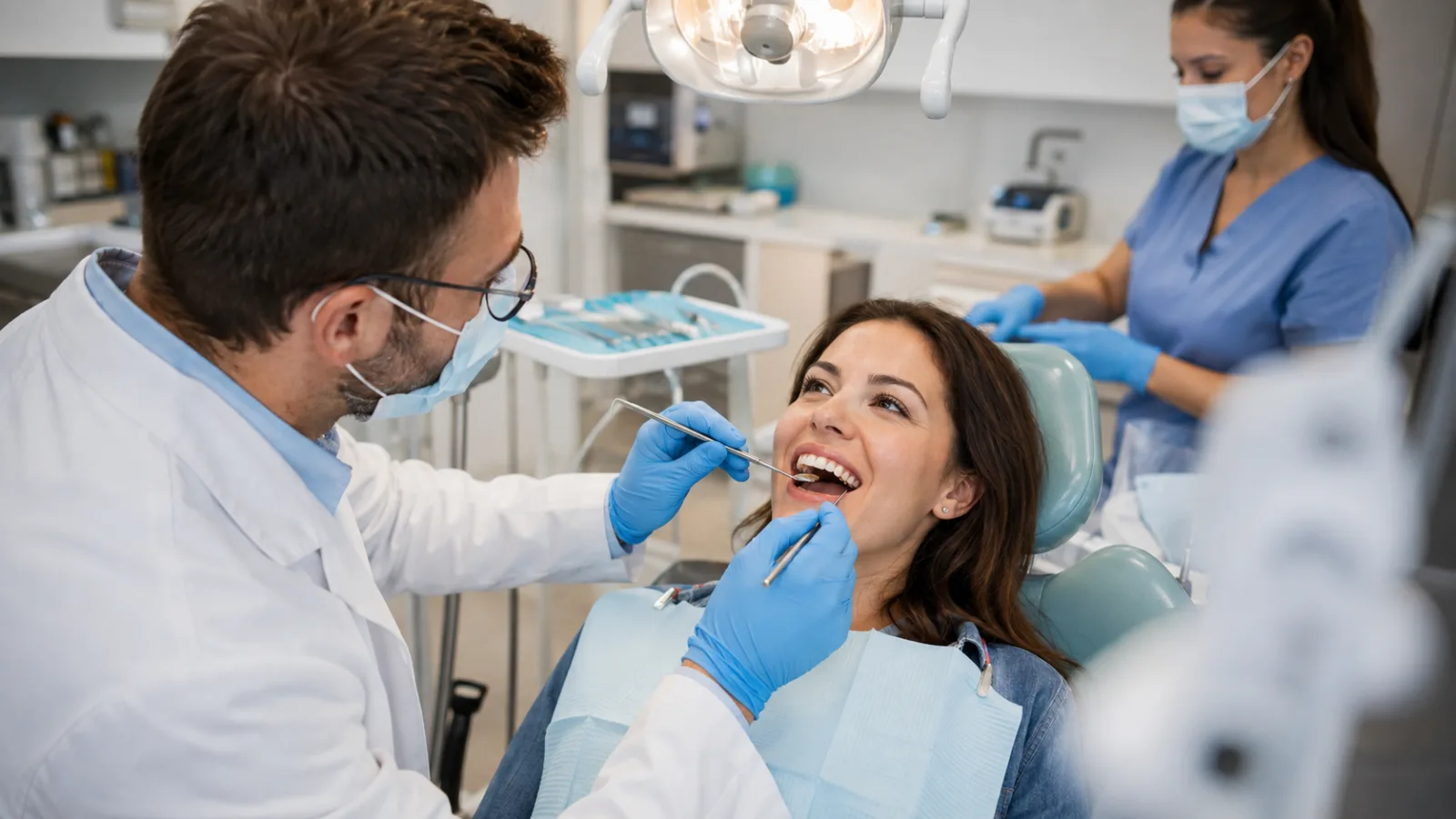
Living with many missing or failing teeth can make everyday activities—such as eating, speaking, and smiling—feel more difficult. Removable dentures may help, but some patients want a restoration that feels more stable. All-on-4 dental implants are one possible way to replace an entire upper or lower row of teeth with a fixed implant-supported bridge.
For patients considering All-on-4 implants in Fort Lauderdale, FL, understanding the full process is important. Treatment involves more than implant placement alone. Careful planning, healing, home care, and follow-up visits all contribute to a successful outcome.
Clinical note: This article provides general education and cannot determine whether dental implants are appropriate for a particular patient. A dentist must evaluate oral health, medical history, imaging, and treatment goals before making a recommendation.
What All-on-4 Implants Actually Mean
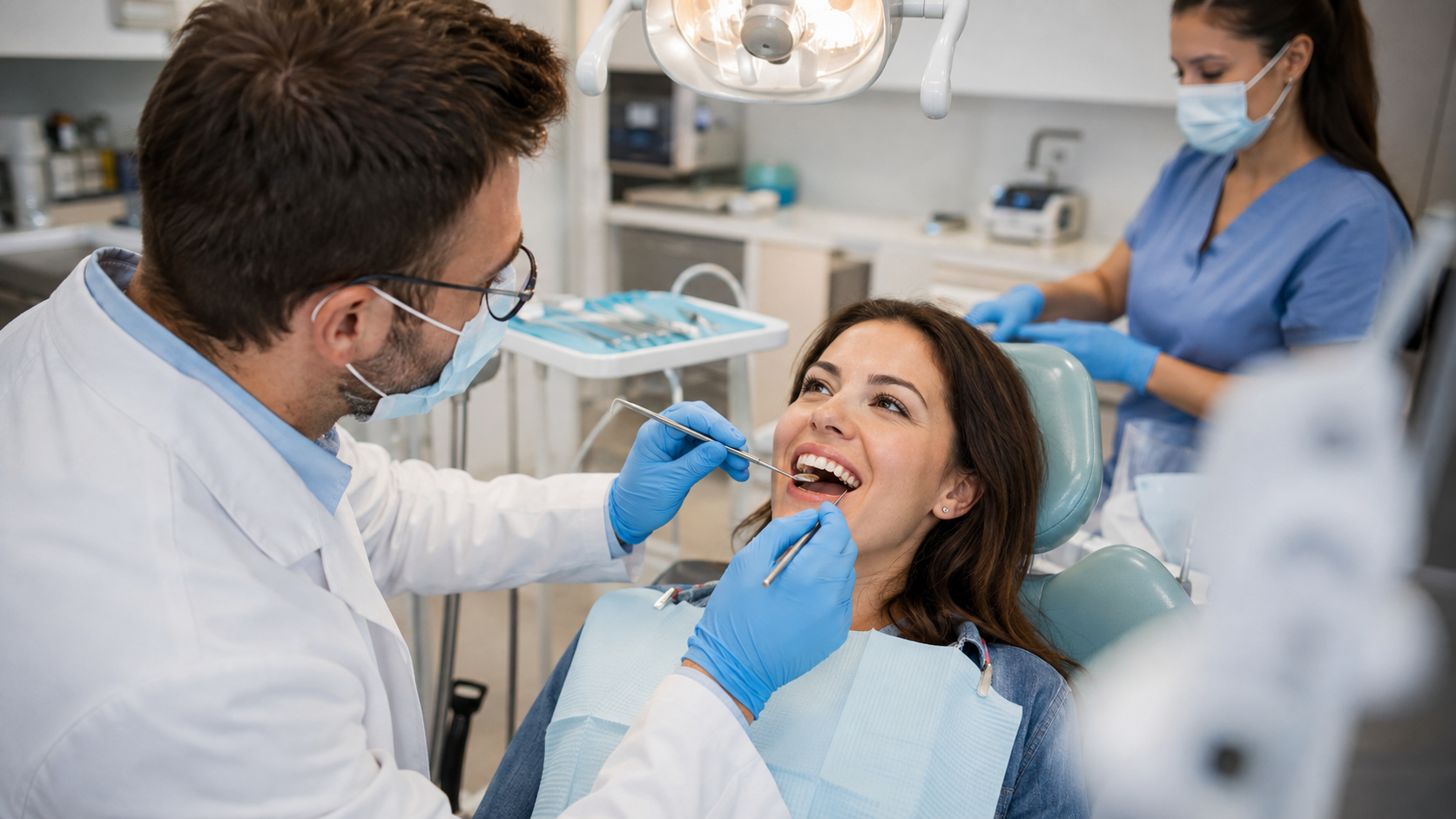
All-on-4 is a full-arch tooth replacement approach. Instead of placing one implant for every missing tooth, a dentist strategically places four dental implants in the jaw. Those implants support a connected set of replacement teeth.
The result differs from a traditional removable denture. The implant-supported bridge is secured in the mouth and is generally removed only by a dental professional. It should not shift during normal speaking or eating when it fits and functions properly.
All-on-4 treatment may also make use of available bone more efficiently than some traditional full-mouth implant plans. However, “four” is not automatically the right number for everyone. Bone quality, bite forces, anatomy, and the planned restoration may lead a dentist to recommend a different number or arrangement of implants.
Who May Be a Candidate?
All-on-4 implants are often considered for adults who have lost most or all teeth in one arch. They may also be discussed when remaining teeth have extensive decay, severe periodontal damage, fractures, or another poor long-term prognosis.
A patient may be evaluated for treatment if they:
- Have many missing or severely compromised teeth
- Want a fixed alternative to removable dentures
- Have enough healthy bone to stabilize the planned implants
- Can maintain daily oral hygiene and attend follow-up appointments
- Have medical conditions that are controlled well enough for oral surgery
Candidacy cannot be determined from symptoms or photographs alone. The dentist may review three-dimensional imaging, gum health, jawbone anatomy, the way the teeth come together, current medications, and previous dental treatment.
Smoking, uncontrolled health conditions, active gum infection, certain medications, heavy teeth grinding, and inadequate bone may affect healing or change the treatment plan. An authoritative systematic review of All-on-4 rehabilitation also emphasizes the importance of general health, oral hygiene, available bone, and compliance with maintenance visits.
What Happens During the All-on-4 Process?
1. Consultation and digital planning
The process begins with a comprehensive examination. The dental team reviews the patient’s concerns and discusses what they hope to improve. Digital scans, X-rays, photographs, and three-dimensional imaging may be used to assess the jaws and plan implant positions.
This visit is also the right time to discuss alternatives. Depending on the situation, those options may include a conventional denture, an implant-retained removable denture, individual implants, or another type of fixed full-arch restoration.
2. Preparation for treatment
Some patients need treatment before implant surgery. This could include addressing active infection, improving gum health, coordinating with a physician, or planning the removal of teeth that cannot be predictably restored.
The dental team should also provide instructions about medications, transportation, eating before the appointment, and available comfort options. Patients should not stop prescription medication unless the treating clinician or prescribing healthcare professional advises them to do so.
3. Implant placement and temporary teeth
During surgery, the implants are positioned in planned areas of the jaw. If remaining teeth must be removed, extractions may sometimes be completed during the same appointment.
Selected patients may receive a fixed temporary bridge on the day of surgery. This is often called immediate loading. Same-day teeth are not guaranteed, however. The implants must have adequate initial stability, and the patient’s anatomy, health, and bite must support that approach.
A temporary restoration is designed to protect the treatment area and provide appearance and limited function during healing. It is not the same as the final bridge, and patients must follow dietary restrictions to avoid putting excessive force on healing implants.
4. Early symptom recovery
Early recovery refers to the period when soreness, swelling, minor bleeding, bruising, and jaw stiffness may occur after surgery. These symptoms should generally trend toward improvement. Prescribed or recommended medication, cold compresses, rest, and careful oral hygiene may help when used according to the dentist’s instructions.
Patients should contact the dental office promptly if pain or swelling becomes worse rather than better, bleeding does not slow, a temporary bridge feels loose, or there are signs of infection. Trouble breathing, difficulty swallowing, or rapidly spreading swelling requires urgent medical attention.
5. Soft-tissue healing and osseointegration
Soft-tissue healing describes the gums closing and adapting around the implants and restoration. Osseointegration is a separate, deeper process in which the jawbone forms a stable connection with the implant surfaces. Feeling comfortable does not mean osseointegration is complete.
Bone integration takes place over a period of months and varies among patients. In one retrospective cohort study of All-on-4 restorations, the treatment protocol included an implant assessment at approximately three months. That study’s schedule should not be treated as a universal deadline; a treating dentist may recommend a shorter or longer healing period based on implant stability, bone quality, health factors, and clinical findings.
6. Final restoration
The final bridge is usually completed only after the dentist confirms that healing and implant stability are satisfactory. The dental team may take new scans or impressions and evaluate the bite, tooth shape, color, speech, and cleanability.
Adjustments may be needed before or after delivery. Completion of the final restoration is the end of the active treatment phase, but it is not the end of care. Professional maintenance remains essential.
Comfort, Risks, and Realistic Expectations
Local anesthesia is used to numb the surgical area. Additional sedation options may be available for suitable patients, depending on medical history and the practice’s clinical protocols. A dentist can explain what the patient may feel and whether an escort will be required.
As with any surgery, All-on-4 treatment carries risks. These can include infection, bleeding, delayed healing, implant failure, injury to nearby structures, gum or bone changes, and complications involving the temporary or final bridge. Screws or restorative materials can also loosen, chip, or wear over time.
Research can describe outcomes across groups, but it cannot promise an individual result. The published cohort study reported both biological and technical complications, including implants that did not achieve adequate integration. A careful evaluation and ongoing maintenance help manage risk, but no implant treatment is guaranteed to last for life.
Eating and Cleaning After Treatment
Patients are commonly instructed to eat a soft diet while the implants heal, even when temporary teeth feel secure. Biting hard or chewy food too soon can place unnecessary pressure on the implants. The dental team should provide a personalized list of suitable foods and explain when the diet may safely advance.
Although the bridge is fixed, it still requires daily cleaning. Plaque can collect where the restoration meets the gums and beneath the bridge. Depending on its design, recommended tools may include:
- A soft-bristled toothbrush
- Specialized floss or floss threaders
- Small interdental brushes
- A water flosser used at the recommended setting
The dentist or hygienist should demonstrate the correct technique. Regular professional visits allow the team to monitor the implants, gums, bite, bridge, and cleaning routine.
What Affects the Cost of All-on-4 Implants?
There is no responsible way to quote one price without an examination. The total can vary according to whether one or both arches need treatment, the number of extractions, bone or gum procedures, sedation, laboratory work, temporary teeth, and the material selected for the final bridge.
Patients comparing estimates should ask for a written treatment plan that explains what is included. Helpful questions include:
- Does the estimate include imaging and surgical planning?
- Are extractions or additional procedures included?
- Does the fee include both temporary and final teeth?
- What restorative material is planned?
- How many follow-up and maintenance visits are included?
- What happens financially if an implant does not integrate?
Dental insurance may cover certain portions of care but not the entire treatment. Coverage, financing, and payment arrangements should be confirmed directly with the practice and insurance provider.
Frequently Asked Questions
Can a patient really receive teeth in one day?
Some patients can leave with a fixed temporary bridge on the day implants are placed. Immediate loading depends on implant stability and other clinical factors. The final bridge is generally made after healing and reassessment.
Are All-on-4 implants painful?
The area is numbed during surgery, but soreness, swelling, and tenderness can occur afterward. Comfort needs vary, so the dentist should provide individualized medication and aftercare instructions.
How long does the full process take?
The process includes early symptom recovery, gum healing, bone integration, and fabrication of the final restoration. These phases do not finish at the same time. The complete timeline depends on healing, implant stability, required procedures, and laboratory planning.
Can All-on-4 teeth be removed at home?
No. The bridge is designed to remain secured to the implants and is generally removed only by a dental professional. Patients clean around and underneath it using tools recommended by the dental team.
How long do All-on-4 implants last?
There is no guaranteed lifespan. Oral hygiene, tobacco use, health conditions, bite forces, implant integration, restorative materials, and professional maintenance can all affect longevity. The bridge may require repair or replacement even when the implants remain stable.
Can someone with dentures switch to All-on-4?
Possibly. Current denture wearers may be evaluated for a fixed implant solution, but jawbone anatomy and general health must first be assessed. Some patients may benefit more from another implant-supported option.
Explore Full-Arch Implant Options in Fort Lauderdale
All-on-4 treatment can provide a stable, fixed option for appropriate patients, but the best plan is always personal. A thorough consultation helps clarify candidacy, alternatives, expected healing, costs, and long-term maintenance before any decision is made.
Dr. Jose Antonio Alfonso and the team at Green Dental Studio welcome questions from patients exploring full-arch dental implants in Fort Lauderdale, FL. Those ready to learn more can schedule a consultation to discuss their goals and receive recommendations based on an in-person clinical evaluation.


