
A confident smile can make everyday moments—meeting someone new, taking a photo, or speaking at work—feel more comfortable. If discoloration, small chips, uneven edges, or gaps make someone hesitate to smile, dental veneers may offer a cosmetic solution.
Veneers are thin, custom-made coverings placed over the visible surfaces of selected teeth. Rather than taking a one-size-fits-all approach, a dentist designs them to complement the patient’s facial features, natural teeth, and personal goals.
For people researching veneers in Lauderdale, FL, understanding the choices, process, benefits, and limitations can make the consultation more productive. Here is what patients should know before deciding whether veneers fit their needs.
This article provides general educational information and is not a diagnosis or treatment recommendation. A dentist must evaluate the teeth, gums, bite, and health history to determine whether veneers are appropriate.
What Are Dental Veneers?
A veneer is a thin layer of dental material bonded to the front of a tooth. It changes what is visible when a person smiles while leaving most of the natural tooth in place. Veneers are primarily cosmetic, although they may also restore the appearance of teeth with minor wear or damage.
Patients commonly ask about veneers for concerns such as:
- Persistent discoloration that does not respond as desired to whitening
- Small chips or worn tooth edges
- Minor gaps between teeth
- Teeth that appear uneven in length or shape
- Minor alignment concerns that do not always require orthodontic movement
- A smile that looks asymmetrical
Veneers do not treat every dental problem. They cannot remove decay, restore unhealthy gums, or correct all bite and alignment concerns. Any active oral health issue generally needs attention before cosmetic treatment begins.
Porcelain and Composite Veneers: What Is the Difference?
The two commonly discussed options are porcelain and composite veneers. Each has potential advantages, and the right choice depends on the teeth, cosmetic goals, budget, and expectations.
Porcelain veneers
Porcelain veneers are individually designed restorations created to reproduce the color, shape, and light-reflecting qualities of natural enamel. They may be considered when a patient wants to address several cosmetic features at once, such as color, proportions, and symmetry.
Placing porcelain veneers usually involves detailed planning, preparation of the selected teeth when needed, and fabrication of the veneers before final bonding. Some patients may wear temporary restorations while the final veneers are being made.
Composite veneers
Composite veneers use tooth-colored resin that a dentist shapes directly on the teeth or prepares for placement. They may require less alteration in certain cases and can be a more conservative or budget-conscious option.
However, composite and porcelain behave differently over time. Their appearance, maintenance needs, resistance to discoloration, and repair options should be discussed during the consultation. No material is automatically best for every smile.
Who May Be a Candidate for Veneers?
A promising candidate typically has realistic cosmetic goals and is willing to maintain good daily oral care. Healthy teeth and gums also provide a more predictable foundation for cosmetic dentistry.
During an evaluation, the dentist may look for:
- Untreated cavities or weakened tooth structure
- Signs of gum inflammation or periodontal disease
- Clenching, grinding, or heavy bite forces
- The amount and condition of existing enamel
- Large fillings or previous dental restorations
- The relationship between the upper and lower teeth
- Expectations about color, shape, and overall appearance
Someone with significant crowding, a bite problem, extensive decay, or severely weakened teeth may benefit from another approach. Depending on the concern, alternatives might include whitening, orthodontic treatment, bonding, crowns, or a combination of services.
What to Expect During the Veneer Process
Every veneer case is customized, but treatment generally follows several stages. Understanding these steps can help patients feel more at ease.
1. Consultation and oral health evaluation
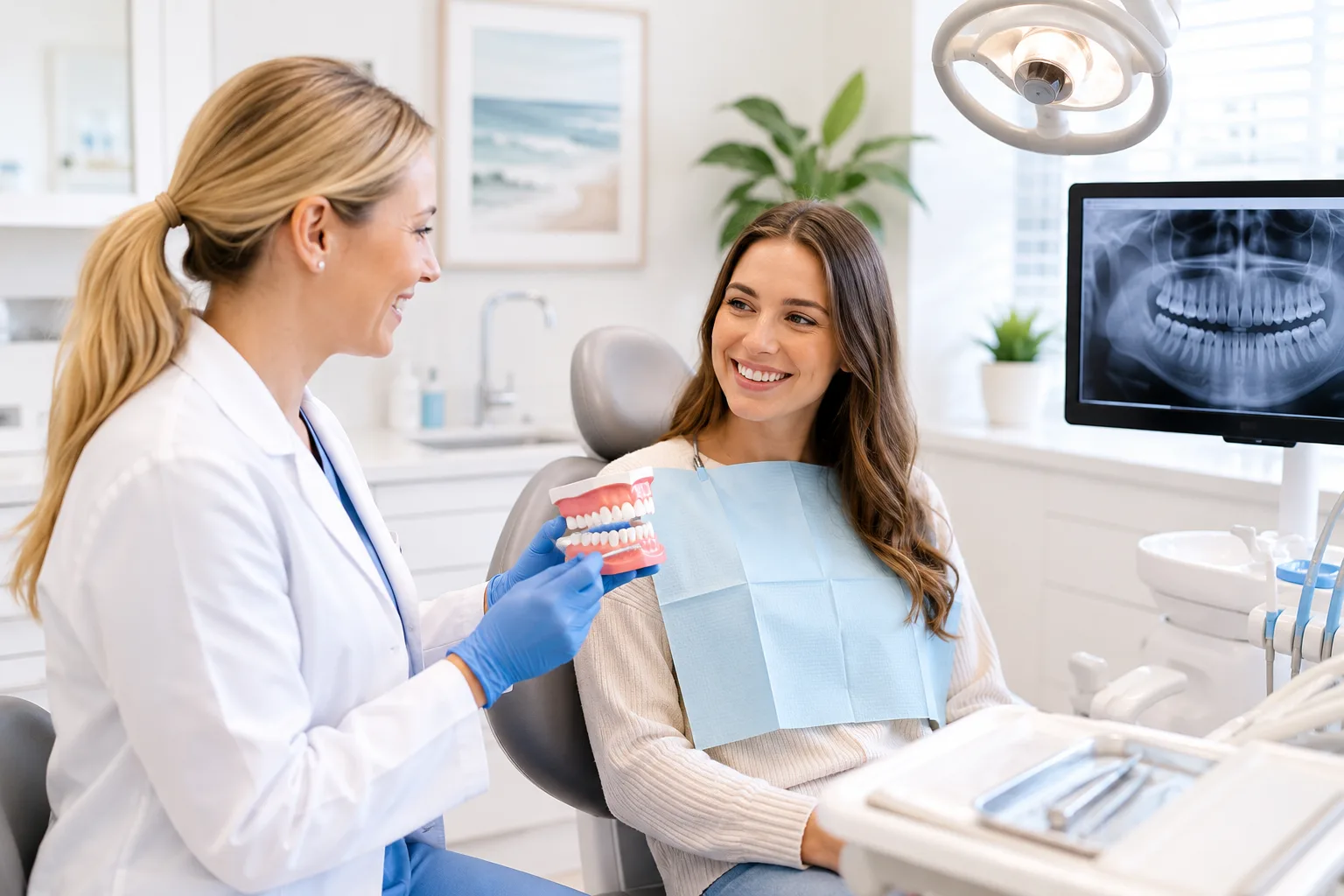
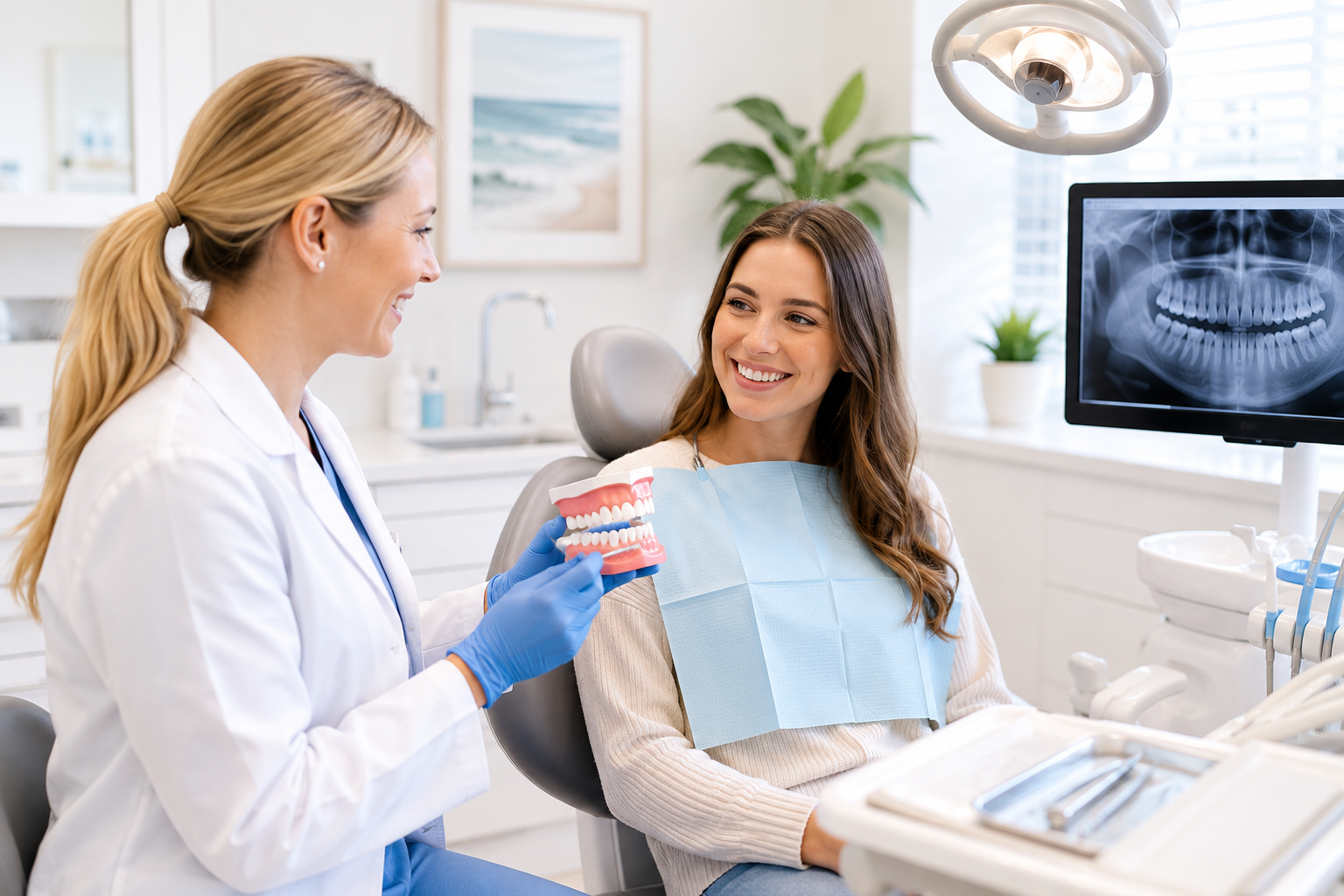
The first visit is a chance to discuss what the patient likes and dislikes about the smile. The dentist examines the teeth, gums, and bite and may recommend dental imaging, photographs, or digital scans.
Patients should bring examples of smiles they like, but those photos should serve as inspiration rather than a template. Tooth shapes and shades that look natural on one person may not suit another person’s face or existing teeth.
2. Personalized smile planning
The dentist considers tooth proportions, gum contours, lip movement, facial balance, and the amount of tooth visible when the patient smiles and speaks. Modern planning methods may allow the patient to preview proposed changes through digital designs or a physical mock-up, depending on the case and practice.
This stage is also the time to discuss how many teeth should be treated. A balanced result does not necessarily require veneers on every visible tooth. The goal is to help the treated teeth blend naturally with the rest of the smile.
3. Tooth preparation and records
Some veneers require the dentist to remove a small amount of enamel so the restorations fit naturally and do not appear bulky. Other cases may require minimal preparation, but “no-prep” treatment is not suitable for every tooth or smile.
After preparation, the dental team takes detailed impressions or digital scans. Temporary veneers may be placed to protect the prepared teeth and help the patient become familiar with the proposed appearance.
4. Final placement
Before bonding the final veneers, the dentist evaluates their fit, color, shape, and relationship to the bite. The patient may also have an opportunity to review the appearance. The teeth are then prepared for bonding, and the veneers are secured with dental materials selected for the case.
The dentist makes any needed refinements and provides instructions for home care. A follow-up visit may be recommended to evaluate the bite, comfort, and gum response.
Do Veneers Look Natural?
Natural-looking veneers should enhance the smile without drawing attention to the dental work itself. That depends on more than choosing a bright shade.
A thoughtful design accounts for subtle differences in tooth length, edge shape, translucency, texture, and symmetry. The color should also coordinate with untreated teeth and the patient’s complexion. In many cases, a shade that looks clean and bright without appearing opaque creates a more believable result.
Patients should communicate clearly during planning. Words such as “soft,” “youthful,” “bright,” “natural,” or “symmetrical” can mean different things to different people. Reviewing shapes, shades, and previews helps the dental team understand the desired result.
Comfort, Recovery, and Possible Risks
Patient comfort is an important part of cosmetic dental care. The dentist can explain what sensations to expect and whether local anesthetic may be appropriate during tooth preparation.
Some people notice temporary sensitivity or mild gum tenderness after treatment. Any discomfort that is severe, worsening, or accompanied by swelling should be reported to the dental office promptly.
Veneers also have limitations. Depending on the case, possible concerns may include sensitivity, chipping, debonding, gum irritation, changes in the way the teeth meet, or future replacement needs. Tooth preparation involving enamel is generally not reversible, so patients should understand the long-term commitment before proceeding.
People who clench or grind may need additional bite evaluation and could be advised to use a protective appliance. Individual risks and maintenance recommendations should always come from the treating dentist.
How to Care for Veneers
Veneers still depend on healthy teeth and gums underneath and around them. Consistent preventive care remains essential.
- Brush gently with a soft-bristled toothbrush and fluoride toothpaste.
- Clean between the teeth every day using floss or another recommended tool.
- Attend regular dental examinations and professional cleanings.
- Avoid using teeth to open packages, cut thread, or bite hard objects.
- Ask about protection if clenching or grinding is a concern.
- Contact the dental office if a veneer feels loose, rough, or uncomfortable.
Although veneers cannot develop cavities, the natural tooth around a veneer still can. Daily hygiene and preventive visits help protect the supporting teeth, gums, and overall smile.
How Much Do Veneers Cost in Lauderdale, FL?
Veneer fees vary because treatment is highly individualized. The final cost may reflect the material, number of teeth, complexity of planning, laboratory work, preliminary dental care, and whether other procedures are needed to create a healthy and balanced result.
A useful estimate should explain what the fee includes rather than presenting only a per-tooth figure. Patients can ask whether the treatment plan includes imaging, provisional restorations, laboratory services, follow-up care, and protective appliances when recommended.
Insurance coverage varies by plan and reason for treatment. Patients should request a written estimate and contact their benefits provider for details. The dental office can also explain available payment arrangements or financing options, if offered.
Questions to Ask at a Veneer Consultation
Good cosmetic dentistry starts with open communication. Helpful questions include:
- Are veneers the most conservative option for this concern?
- Would whitening, bonding, or orthodontics provide a suitable result?
- Which veneer material is recommended, and why?
- How much natural tooth structure may need to be altered?
- Can the proposed tooth shape and shade be previewed?
- How will the veneers work with the patient’s bite?
- What maintenance and future replacement needs should be expected?
- What happens if a veneer chips or becomes loose?
A trustworthy consultation should leave room for questions and careful decision-making. Patients should understand the proposed benefits, limitations, alternatives, and total cost before consenting to care.
Frequently Asked Questions About Veneers
Are veneers permanent?
Veneers are intended as a long-term cosmetic treatment, but they should not be considered permanent for life. They may eventually require repair or replacement. If enamel is removed during preparation, the treated tooth will continue to need a veneer or another appropriate restoration.
Can veneers fix crooked teeth?
Veneers may visually improve mild unevenness in selected cases, but they do not move teeth or correct every bite problem. A dentist may recommend orthodontic treatment when actual tooth movement would provide a healthier or more conservative result.
Can stained veneers be whitened?
Traditional whitening products are designed to change the shade of natural teeth, not the color of porcelain restorations. Anyone considering whitening should discuss the sequence with a dentist so untreated teeth and veneers can be coordinated.
Does getting veneers hurt?
Comfort varies according to the amount of preparation and individual sensitivity. The dental team can use appropriate comfort measures and explain what to expect. Persistent or increasing discomfort after treatment warrants a call to the dentist.
How many veneers does a person need?
There is no standard number. It depends on the width of the smile, which teeth show, the concerns being addressed, and how treated teeth will blend with untreated teeth. A personalized smile evaluation helps determine an appropriate plan.
Can someone with gum disease receive veneers?
Healthy gum support is important for cosmetic treatment. If inflammation or periodontal disease is present, the dentist may recommend addressing it before moving forward with veneers.
Explore Veneers With Green Dental Studio
Choosing veneers is both a dental and personal decision. The best starting point is a careful examination and an honest conversation about the desired outcome, available alternatives, and long-term care.
Green Dental Studio provides information about porcelain veneers and modern cosmetic dental care. Patients can also learn more about Dr. Jose Antonio Alfonso, DMD and his patient-centered approach.
If you are considering veneers in Lauderdale, FL, contact Green Dental Studio to request a personalized consultation. The dental team can answer questions, evaluate oral health, and help determine which option may create a comfortable, functional, and natural-looking smile.


